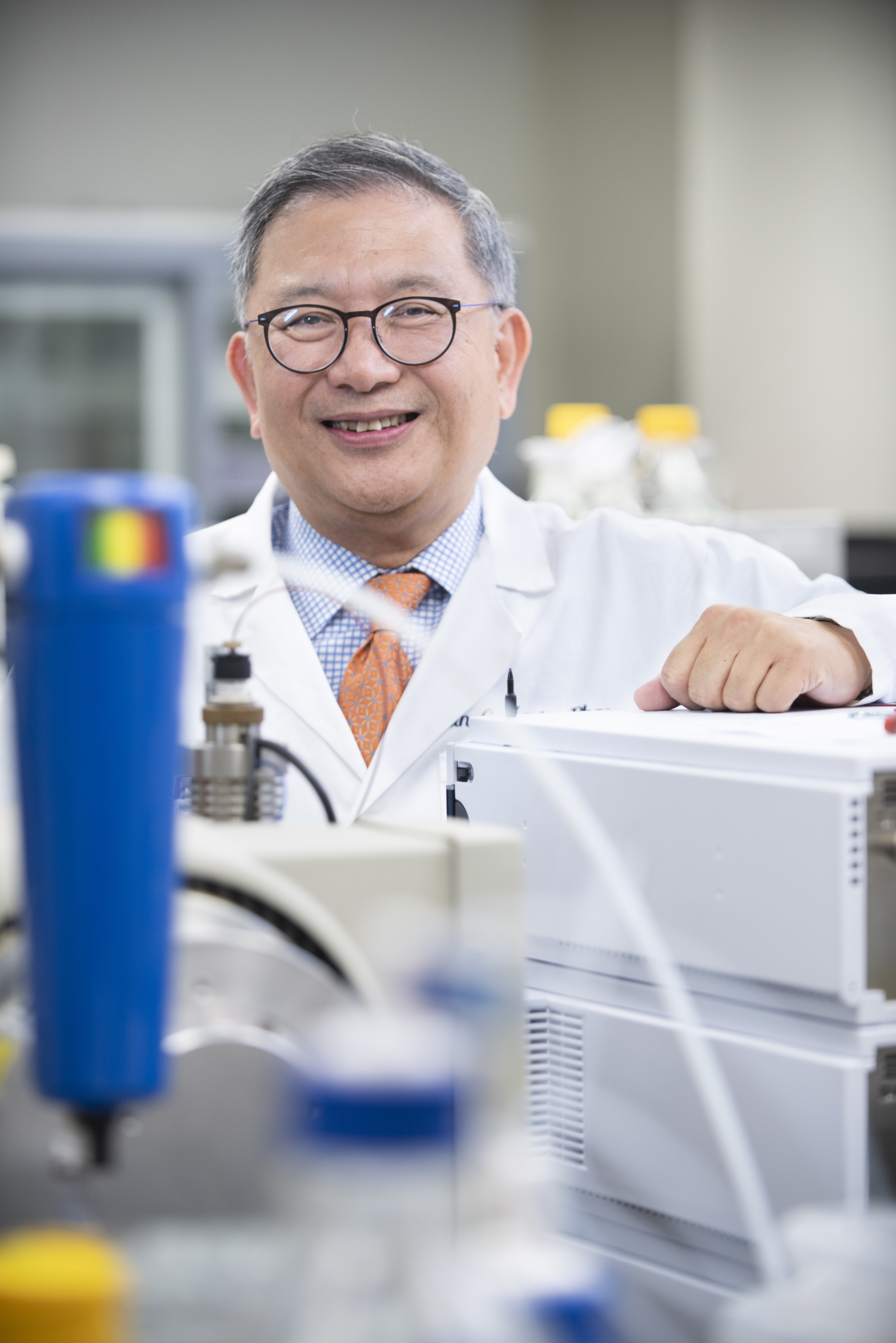
“Our graduates will conduct research across clinical and basic science disciplines, integrating basic investigations and clinical observations in applied research to better understand disease processes, advance drug development and evaluate efficacy and toxicity or therapeutic regimens.”
The MS in Clinical and Experimental Therapeutics program provides interdisciplinary training in therapeutic discovery, development, and evaluation. The curriculum covers preclinical and clinical drug development, ADMET (absorption, distribution, metabolism, elimination, and toxicity), pharmacogenomics, pharmacometrics, and data science. Students also engage in faculty-mentored research aligned with their areas of emphasis.
Graduates are prepared for doctoral training (PhD programs) and for careers in the pharmaceutical and biotechnology industries, as well as government agencies such as the U.S. Food and Drug Administration and National Institutes of Health.
Who should consider the master’s program?
Individuals with bachelor’s degrees in biology, chemistry, biochemistry, bioengineering, pharmacology or pharmaceutical sciences or related fields seeking preparation for PhD programs or advanced training for careers in the pharmaceutical and biotechnology industries.
Clinicians and clinical trainees, including PharmD students, residents, and fellows, who are seeking hands-on laboratory and translational and clinical research training.
Mission and Vision
Mission Statement: To conduct groundbreaking interdisciplinary research on therapeutic discovery and development, risks, and benefits of medications in diverse patient populations, through integration of data science, pharmacogenomics, pharmacometrics and pharmacoepidemiology; and to nurture future experts in these areas through a strong educational program.
Vision Statement: To be a global leader in the development of innovative therapeutics, evaluation and implementation of advanced interventions that improve patient outcomes and public health; and to cultivate the next generation of leaders in translational science.