



Whitaker Cohn, PhD
Multi-Omics Mass Spectrometry Core
wcohn@usc.edu

Zhang-Xu Liu, PhD
Translational Research Laboratory Core
zxliu@usc.edu

Syed Ahmed, PhD
Medicinal Chemistry Core
ahmedsye@usc.edu
The USC Mann School Integrated Core Services, housed in the John Stauffer Pharmaceutical Sciences Center, are your centralized resource on the USC Health Sciences Campus. We provide USC and external investigators with specialized scientific expertise and state-of-the-art technologies to accelerate research in drug discovery and development.
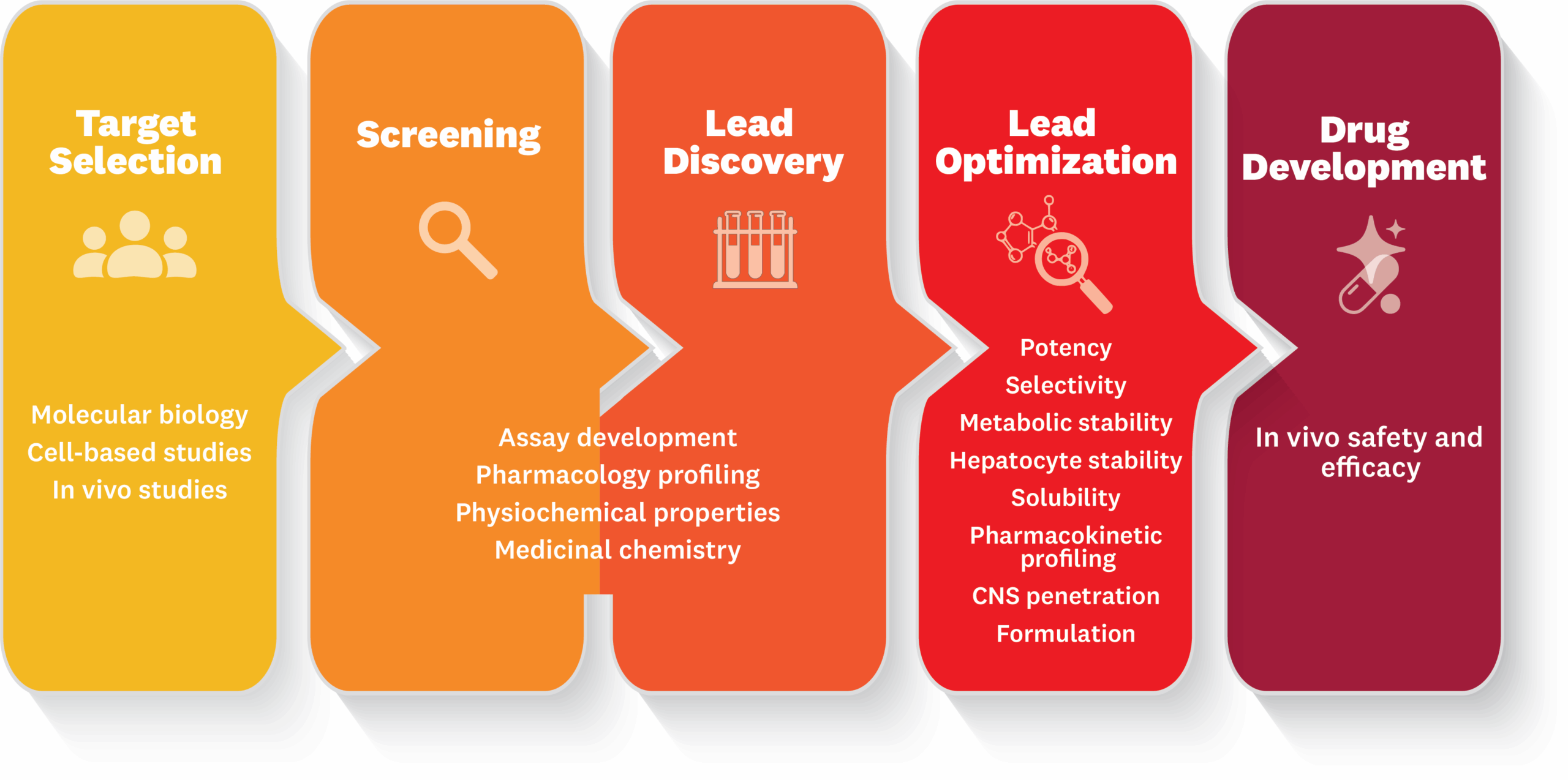
From target identification and high-throughput screening to lead optimization and preclinical evaluation, our core labs deliver a comprehensive, end-to-end service pipeline. Each facility is led by experienced PhD-level scientific directors who collaborate closely with USC Mann faculty and affiliates. This unique blend of expertise ensures translational relevance and deep scientific support for academic teams, biotech innovators and industry partners alike.
Seamless, cost-effective project support with high scientific quality
More than 100 advanced instruments enabling high-throughput workflows
PhD-level core directors with extensive experience in pharmaceutical and biotechnology research
Access to the broad expertise of USC Mann faculty across therapeutic areas and research disciplines
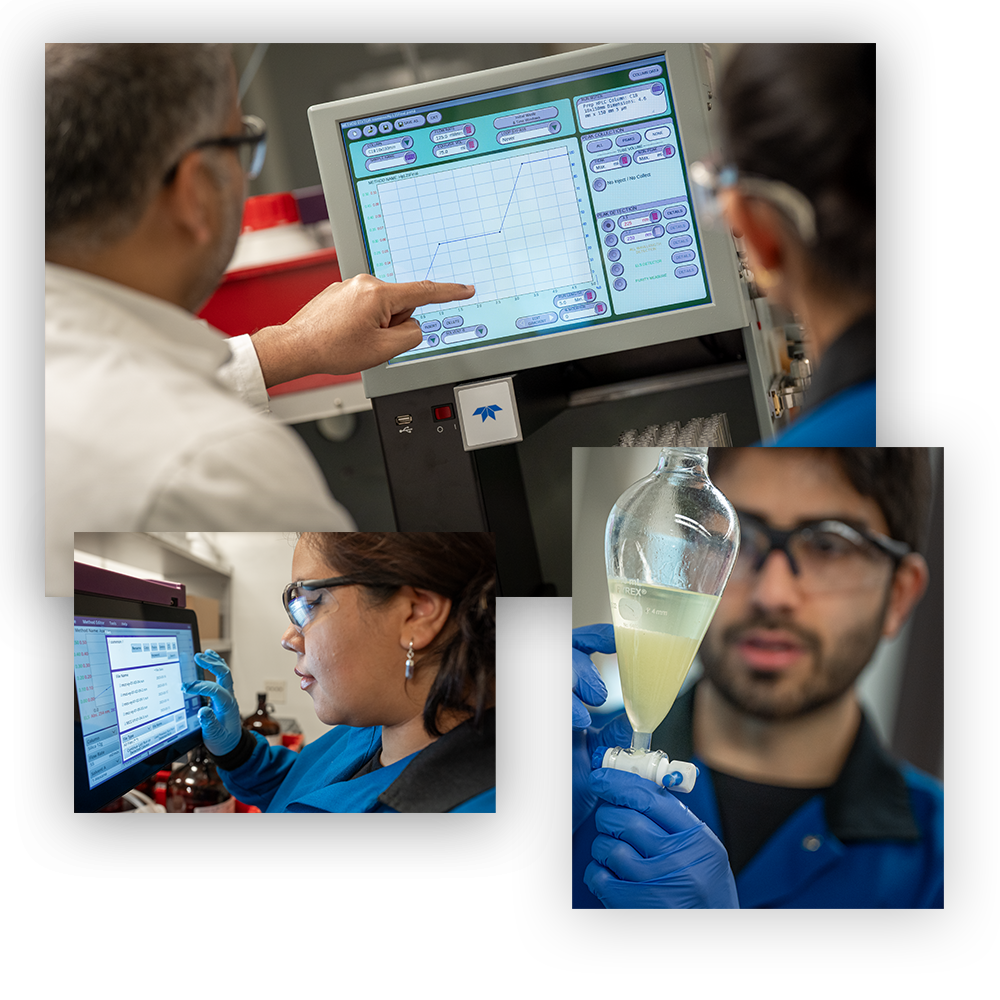
The Medicinal Chemistry Core provides integrated synthetic and computational chemistry expertise to advance small-molecule drug discovery and development. The core supports projects from target validation through lead optimization and preclinical evaluation, combining traditional medicinal chemistry with innovative design and screening technologies.
The core offers compound design, synthesis and optimization studies through medicinal chemistry structure-activity relationship analyses that improve efficiency, selectivity and safety.
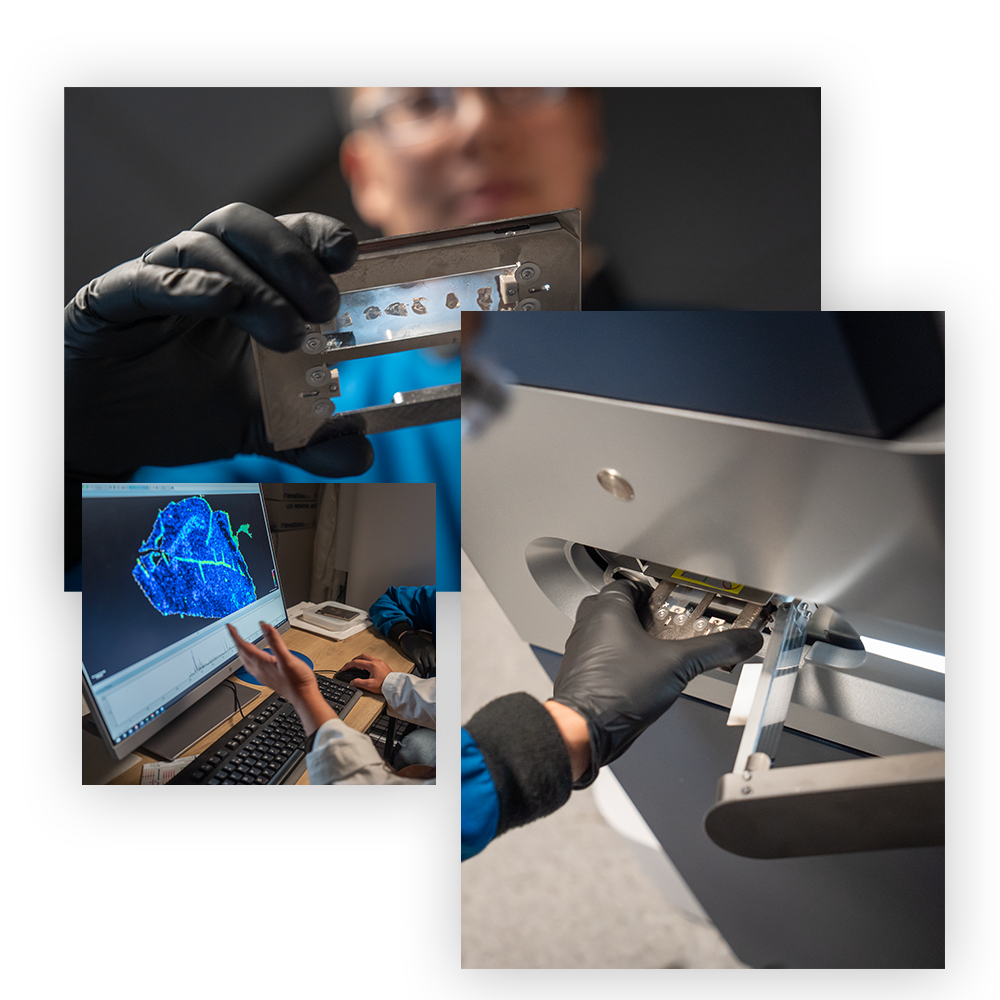
The Multi-Omics Mass Spectrometry Core advances translational research and drug discovery through cutting-edge mass spectrometry-based approaches, offering both USC investigators and external collaborators access to state-of-the-art instrumentation and expert scientific consultation for profiling of proteins, metabolites and lipids through targeted, untargeted and imaging mass spectrometry.
The core specializes in applying mass spectrometric technology at every stage of the drug discovery and development process, from characterizing disease pathology to identifying therapeutic targets and performing high-throughput screens, to hit-to-lead optimization and evaluating drug efficacy in disease models.
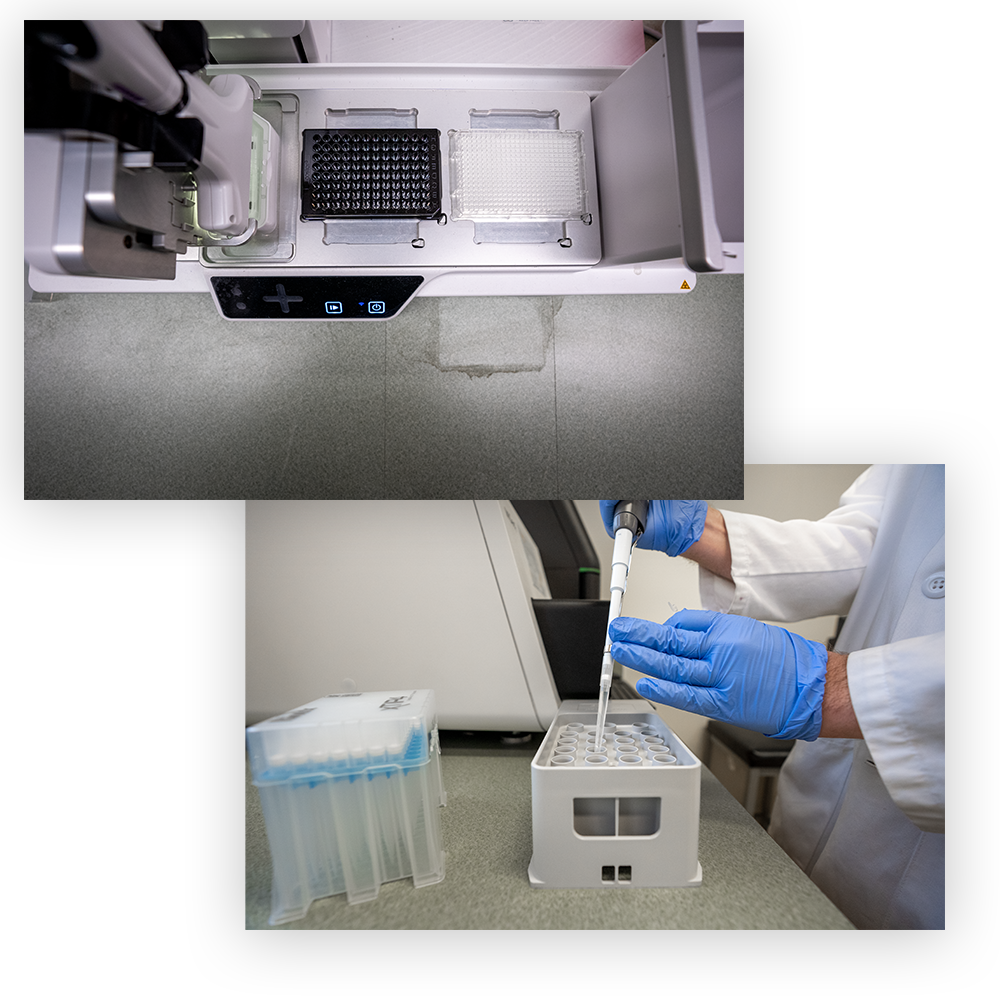
The Translational Research Core provides investigators with advanced technologies and scientific expertise to accelerate discovery across the translational research spectrum. The core supports investigators in advancing discoveries from the bench toward clinical impact through innovative cellular, molecular and functional analysis platforms.
The core offers user training, assisted use, and consultation across a broad range of applications, including cellular and molecular assays, flow cytometry, in vivo imaging, nucleic acid analysis, and full-service capabilities for organ-on-a-chip platform and DILI experiments.
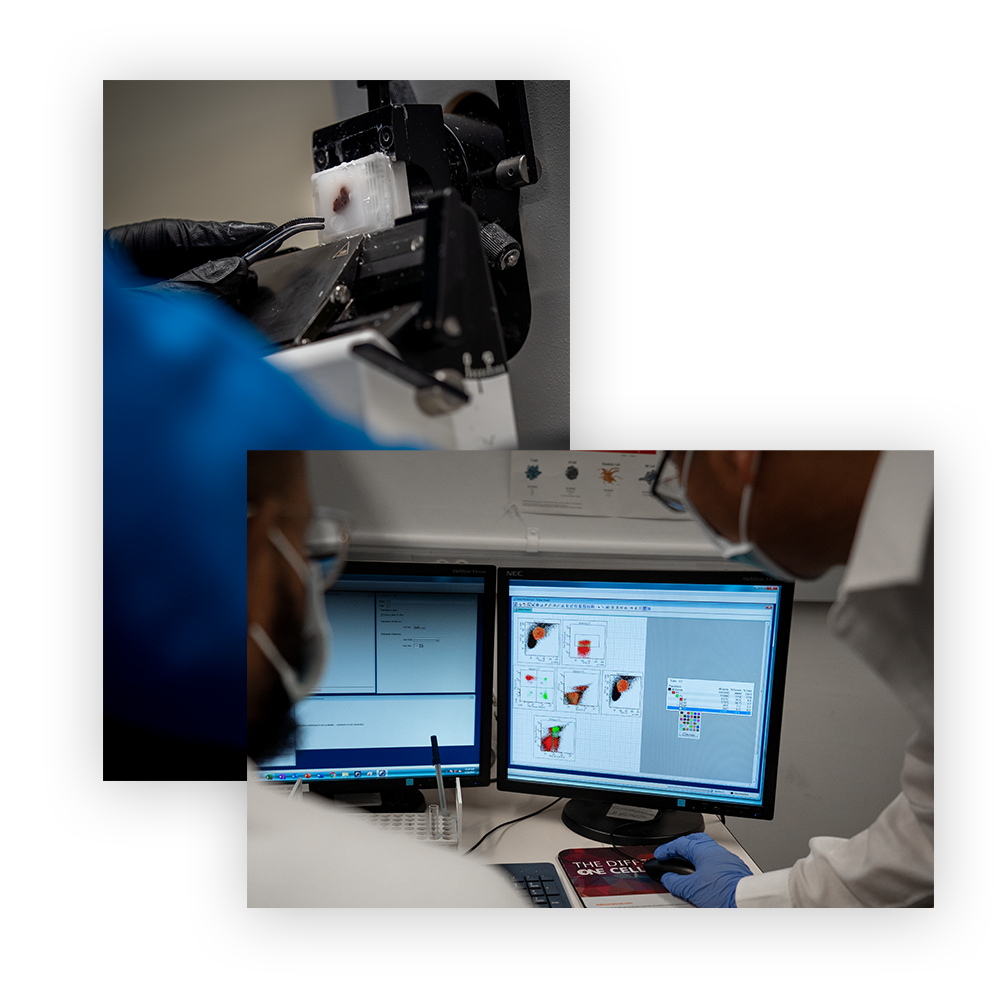
The Histology Core provides comprehensive tissue processing, sectioning and staining services to support histological and pathological research across the USC community and beyond. The core offers expert consultation on staining techniques, imaging preparation and interpretation of imaging results to ensure the highest quality data for both routine and specialized studies.
In collaboration with the Multi-Omics Mass Spectrometry Core, the histology core also provides specialized cryosectioning services for matrix-assisted laser desorption/ionization mass spectrometry imaging.
For specific inquiries, please contact the core directors. For general inquiries about our Integrated Core Services, please complete the form below.
Multi-Omics Mass Spectrometry Core
wcohn@usc.edu
Translational Research Laboratory Core
zxliu@usc.edu
Medicinal Chemistry Core
ahmedsye@usc.edu
XXXXXXXXXXXXXXXXXXXXXXXXXXXXX
It works with investigators end to end, providing consultation and support in both structure-based and ligand-based drug design. The core’s experienced medicinal chemists utilize advanced computational approaches, including Glide docking within the Schrödinger software suite and StarDrop for metabolic assessments, followed by synthesis, purification and complete characterization of the designed compounds.
Computational methods—including virtual screening, molecular docking and pharmacophore modeling—are used to identify potential hit compounds. Experimental approaches involve high-throughput screening of chemical libraries against biological targets, as well as fragment-based screening and biochemical or cell-based assays, to detect active compounds. Additional techniques such as surface plasmon resonance, thermal shift assays and nuclear magnetic resonance–based screening are employed to confirm binding interactions and evaluate compound potency. Together, these strategies help validate computational predictions and identify promising hits for further optimization.
Yes. The core provides support for both hit-to-lead and lead optimization chemistry. This includes:
The core provides comprehensive support for absorption, distribution, metabolism, excretion, and toxicity (ADMET) profiling and in vivo pharmacokinetic/pharmacodynamic (PK/PD) studies. It helps evaluate a drug candidate’s metabolic stability, bioavailability, clearance and tissue distribution, generating critical data to guide lead optimization and preclinical development.
Yes. The core supports small-molecule drug discovery and can assist in the development of novel compounds suitable for patent filing.
The core supports grant-based collaborations by assisting investigators with project planning, budgeting for medicinal chemistry services, and providing letters of support or technical details required for grant applications. The core’s expertise in drug design, synthesis and ADMET evaluation can be included as part of collaborative proposals to strengthen funding applications and ensure the feasibility of the proposed research.
The core routinely measures small molecules, drugs, metabolites, lipids and proteins, and can tailor methods for your specific compound or biological question.
The core provides support throughout the entire drug development pipeline, from early-stage target identification and high-throughput screening to ADME and pharmacokinetic studies that aid hit-to-lead optimization, all the way through mechanism of action characterization and biomarker discovery.
Yes. The core uses a variety of advanced proteomics approaches to identify both direct drug targets and downstream pathway effects, providing a systems-level view of your compound’s mechanism of action.
Absolutely. The core can track drug distribution and metabolism in plasma, tissues and cells to understand how your compound is absorbed, distributed and cleared.
Yes. The core offers assays to evaluate plasma and tissue binding, solubility, cell permeability and metabolic stability. These studies help predict how your drug behaves in vivo and support lead optimization.
Yes. Using mass spectrometry imaging, we can visualize the spatial distribution of drugs, metabolites and other biomolecules directly in tissues, allowing you to see where your compound goes and how it affects the surrounding environment without the need for labels or stains.
Typically, only a few microliters of biofluid or milligrams of tissue are needed, depending on the analysis. We can help you plan sample collection and preparation.
Turnaround times vary with project size, but most studies are completed within two to four weeks. Method development or imaging projects may take longer.
Contact the core with a short project description. We’ll schedule a consultation to discuss your goals, sample types and the best analytical approach.
We offer user training, assisted use and expert consultation across a wide range of instruments and applications, including sample processing, cell and immunobiology, flow cytometry, in vitro and in vivo imaging, cellular and molecular assays, organ-on-a-chip models and histology.
Yes. The core provides comprehensive Luminex and meso scale discovery multiplex immunoassay services for cytokine profiling, biomarker discovery and personalized medicine applications.
Yes. The core offers multiparameter flow cytometry services for analyzing cell phenotypes and functions. We also provide sterile cell sorting with high purity and viability for both in vitro and in vivo studies.
Yes. The core offers a human-based microphysiological system (organ-on-a-chip) to enable human-relevant, organ-specific drug toxicity testing. This platform allows for real-time imaging and multi-omics assays, providing more predictive drug response data than traditional animal models and is particularly valuable for evaluating drug-induced liver toxicity, a major challenge in drug discovery and development. Other applications with this system include interrogation of disease biology at the organ-specific level.
Yes. The core provides access to the Agilent Seahorse XFe96 Analyzer, which measures the oxygen consumption rate and extracellular acidification rate to assess mitochondrial respiration and glycolytic activity, enabling comprehensive evaluation of cellular metabolic function.
Yes. The Translational Research Core offers a wide range of imaging services, including the Agilent Cytation 5 cell imager, Keyence BZX all-in-one microscope, Zeiss LSM 880 with Airyscan confocal microscope for high-resolution fluorescence imaging of cells and tissues, and the IVIS Lumina system for in vivo imaging.